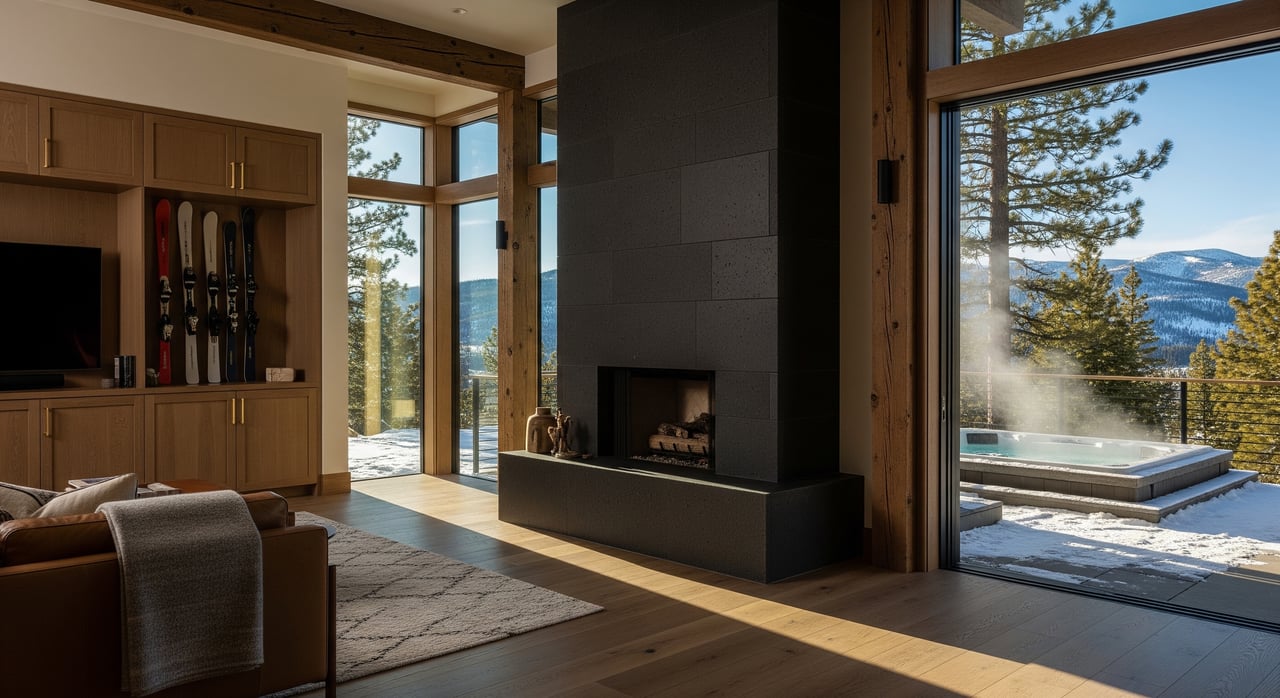
You picture first tracks after an overnight storm, hot coffee, and a short drive to the lift. Then you remember snow loads, plow schedules, and rental permits. Owning a ski home in Truckee can deliver an incredible four-season lifestyle if you plan for the realities. In this guide, you’ll learn how access works, what maintenance to expect, how rentals and insurance fit in, and the due diligence that protects your investment. Let’s dive in.
Why Truckee works for skiers
Resort access in minutes
If you want quick turns, Truckee puts you close to multiple mountains. Northstar California is typically 5 to 15 minutes from many neighborhoods. Palisades Tahoe is usually 20 to 35 minutes depending on route and conditions. You can also reach other resorts within 30 to 60 minutes, and many owners day-trip to Heavenly or Kirkwood for variety.
Easy arrivals year-round
Truckee sits on Interstate 80, which makes winter arrivals more predictable. From Reno–Tahoe International Airport, plan on roughly 35 to 60 minutes to town, depending on weather. Private flyers often use Truckee Tahoe Airport for general aviation. From the Bay Area, expect about 3 to 4 or more hours by car, and from Sacramento about 1.75 to 3 hours.
Neighborhood feel with options
Many buyers choose Truckee to balance resort proximity with residential privacy. You get easy access to Northstar’s village and amenities while living in neighborhoods with larger lots and a quieter feel. This balance supports both personal use and potential rental demand in peak weeks.
Winter ownership reality
Snow removal and access
Truckee winters bring frequent multi-inch to multi-foot storms. Plan for regular driveway and walkway clearing. Driveway grade and length have a big impact on cost and access, and steep drives may benefit from snowmelt systems. In subdivisions, ask how your HOA handles common plowing and where snow is stored so you are not blocked in.
Roofs, ice, and safety
Heavy snow and ice dams are real risks. Roof pitch, snow guards, and timely clearing of flat or low-pitch sections help protect your home. Keep chimneys, flues, and fireplaces on a set maintenance cycle. During active storms, watch for drifting snow that can block vents.
Tires, chains, and I‑80 controls
You should be comfortable driving in winter conditions. Tire chains or winter tires and 4WD are common expectations during storms, and chain controls on I‑80 can delay travel. Build some flexibility into arrival and departure plans when large systems move through.
Heat, power, and remote checks
Reliable heat is essential. Many homes use gas or propane, and some owners add backup power via generators or batteries to ride out outages. Pipe insulation, freeze‑protection devices, smart thermostats, and remote monitoring help reduce freeze and flood risk when you are away for weeks at a time.
Seasonal maintenance checklist
Pre‑winter setup
- Chimney sweep and fireplace inspection
- Furnace or boiler service, filter changes, and safety check
- Roof inspection, seal windows and doors, and insulate exposed pipes
- Clean gutters and downspouts to reduce ice problems
During winter
- Schedule timely snow removal for driveways, walkways, and decks
- Monitor roof edges for ice dams and clear problem areas safely
- Verify heat is functioning and maintain safe indoor temperatures
- Check that snow is not blocking vents or exterior doors
Spring and summer
- Full roof and gutter cleanout after melt
- Deck sealing and exterior paint touch‑ups
- Septic inspection if applicable
- Pest inspections and HVAC A/C service if installed
Local support and staffing
Property managers and vendors
Most absentee owners use a local property manager to coordinate plowing, housekeeping, maintenance, and emergency checks. Many offer winterization and de‑winterization packages. You will also want reliable HVAC and chimney contractors, an electrician with winter experience, and landscape teams for defensible space.
HOA and snow storage
In HOA communities, clarify who plows, how often, and where the snow goes. Ask if stored snow could block your driveway or reduce street visibility. Request recent invoices so you understand service levels and costs.
Costs, taxes, and insurance
Property taxes and HOA dues
In California, base property tax is roughly 1 percent of assessed value, plus local assessments and bonds. HOA dues vary by property type and the level of services, such as snow and road maintenance, included in the community. Always verify details with the county assessor and HOA documents.
Utilities and fuel
Mountain homes often run higher energy loads for heat, hot water, and any snowmelt systems. Many properties use propane or natural gas, and wood or pellet stoves are common for supplemental heat. Budget for seasonal spikes during cold periods.
Insurance in mountain markets
Expect higher premiums than in lower‑risk areas because of wildfire exposure, heavy snow loads, and occasional access disruption during storms. Insurers may require defensible‑space work and specific mitigation measures. Factor renewal risk and potential cost changes into your long‑term plan.
Short‑term rentals in Truckee
Demand and seasonality
Truckee’s short‑term rental market is strongest in winter for ski access and remains active in summer for lake and mountain recreation. Luxury homes can command premium nightly rates during peak holiday periods. Off‑peak weeks see softer demand and more rate sensitivity.
Permits, TOT, and rules
The Town of Truckee regulates short‑term rentals with registration or permit programs, transient occupancy tax collection, operating standards, and occupancy limits. Rules have evolved in recent years, and enforcement affects income potential. Before you buy, verify the current ordinance, permit availability, and TOT requirements for your specific address and HOA.
Revenue and management
Average nightly rates and occupancy vary widely by location and amenities. Third‑party data and local managers can help benchmark revenue. Management fees often range from about 20 to 35 percent of gross revenue depending on services, and cleaning, utilities, and platform commissions reduce net income. STR income can offset holding costs but is seasonal and subject to regulation changes.
Wildfire risk and mitigation
What to look for
Wildfire is a significant concern in the Sierra. Ask whether the property is in a State Responsibility Area or a Very High Fire Hazard Severity Zone and if defensible space is up to date. Review roof material, ember‑resistant vents, siding, and decking details, and check for Firewise USA participation or HOA rules that support mitigation.
Insurance and compliance
Confirm insurance renewability and recent premium estimates. Some carriers require mitigation work to bind or maintain coverage. Build inspection and mitigation timelines into your post‑closing plan so coverage remains uninterrupted.
Off‑season lifestyle value
Summer and shoulder seasons
Truckee is a true four‑season base. In summer you have mountain biking, hiking, fishing, boating, golf, and local events. North Lake Tahoe beaches are close, and rental demand stays strong for family‑friendly and lake‑oriented properties.
A balanced use plan
Many owners split the year between winter ski time and summer on the lake. If you plan to rent, consider holding peak holiday weeks for personal use and offering shoulder periods to guests. This keeps lifestyle value high while helping cover costs.
Resale and value drivers
Market character and hold period
Truckee attracts buyers who value space, privacy, and proximity to major resorts. Prices surged during the pandemic and have cooled in places, but premium homes in desirable locations remain in demand. Luxury second homes can be less liquid than primary residences, so plan for a multi‑year hold.
What drives value
Value concentrates around proximity to Northstar and other resorts, quality access roads and driveway design, views, lot size, and construction quality. Fire‑hardening and a clean maintenance record add confidence for buyers and insurers. Proven rental history can support demand for homes positioned as lifestyle and income plays.
Buyer due diligence checklist
- Confirm winter drive times to Northstar and Palisades from the specific address and learn typical chain‑control impacts on your route.
- Review plowing responsibility, snow storage locations, and any easements. Request recent plow and snow‑removal invoices.
- Request full maintenance and systems history: heating, chimney, roof, gutters, decks, and foundation. Ask for any freeze or flood incident records.
- Obtain current insurance quotes and renewability feedback, plus required mitigation steps. Verify wildfire zone designation and defensible‑space compliance.
- Verify short‑term rental legality: permits, TOT registration, and HOA covenants. Request historical rental performance data if applicable.
- Confirm utilities: public water or well, sewer or septic, and reliability. Test internet and cell coverage for remote management and guest needs.
- Review any local planning or environmental limits that could affect improvements.
- Ask about nearby services: grocery, medical, emergency response, and airport logistics relevant to your use.
Next steps
Owning a Truckee ski home can be seamless when you line up access, systems, and a clear rental and insurance plan. With 25 plus years in the Tahoe and Truckee markets, Todd pairs local insight with a luxury marketing platform to guide you through selection, due diligence, and negotiation. If you are exploring a purchase or want a property assessment, connect with Todd Disbrow for a confidential consultation.
FAQs
How long does it take to reach Northstar and Palisades from Truckee?
- Northstar is often 5 to 15 minutes and Palisades Tahoe is typically 20 to 35 minutes, depending on your neighborhood, route, and winter conditions.
What winter driving setup do I need in Truckee?
- Plan for winter tires or chains and 4WD during storms, and expect chain controls on I‑80 that can delay travel.
What maintenance should I schedule before winter in Truckee?
- Book a chimney sweep, service the furnace or boiler, inspect the roof, seal windows and doors, insulate exposed pipes, and clear gutters and downspouts.
How do short‑term rental rules work in Truckee?
- The town requires registration or permits, transient occupancy tax collection, and compliance with operating and occupancy standards, so verify current rules for your address and HOA.
How does wildfire risk affect a Truckee ski home?
- It can increase insurance premiums and drive mitigation requirements; check hazard zones, defensible space, ember‑resistant features, and carrier renewability.
Is there summer value if I buy mainly for skiing?
- Yes, Truckee offers biking, hiking, lake access, golf, and events, and summer rental demand remains strong for well‑located, family‑friendly homes.
What affects driveway plowing and access in winter?
- Driveway length and steepness increase plow needs and costs, and some owners add snowmelt systems for steep or shaded entries.
Are luxury second homes easy to resell in Truckee?
- Premium properties in desirable locations remain in demand, but luxury second homes can be less liquid, so plan for a multi‑year hold.